Nobody taught us that doing something hard for yourself is allowed.
I grew up in the same story most urban Indian men grow up in. Study hard. Get the job. Perform. Provide. Be responsible. These aren't bad lessons. They're just incomplete. Nobody in that story teaches you how to be honest about how you're doing on the inside.
I looked fine. By most measures, I was fine. Delhi life was doing what Delhi life does. But there was a weight I couldn't name and wasn't sure I was allowed to name. Men don't, typically. You carry on. You perform. You show up.
"There's a version of you that's been waiting for permission to try something that seems unreasonable. I gave myself that permission. Almost by accident."
What changed wasn't a decision. It wasn't a dramatic moment. It was more of a stumble. The kind that matters more than the deliberate steps.
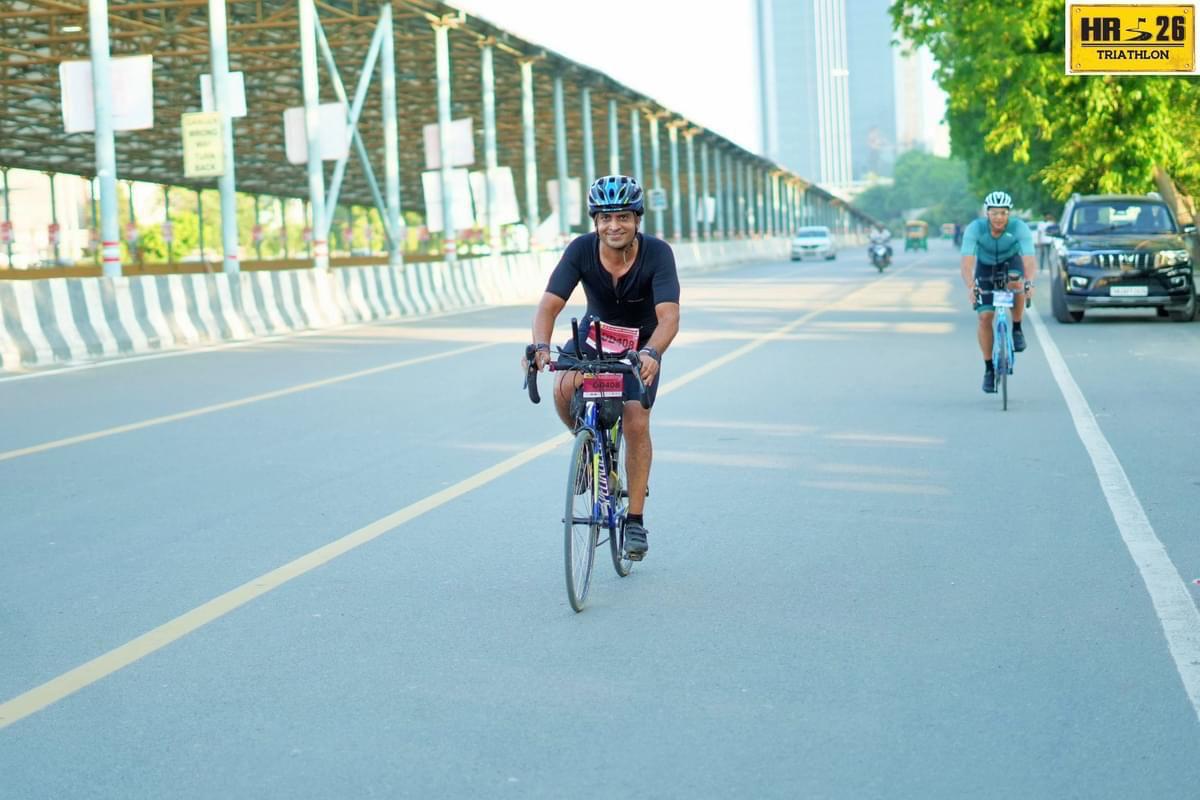
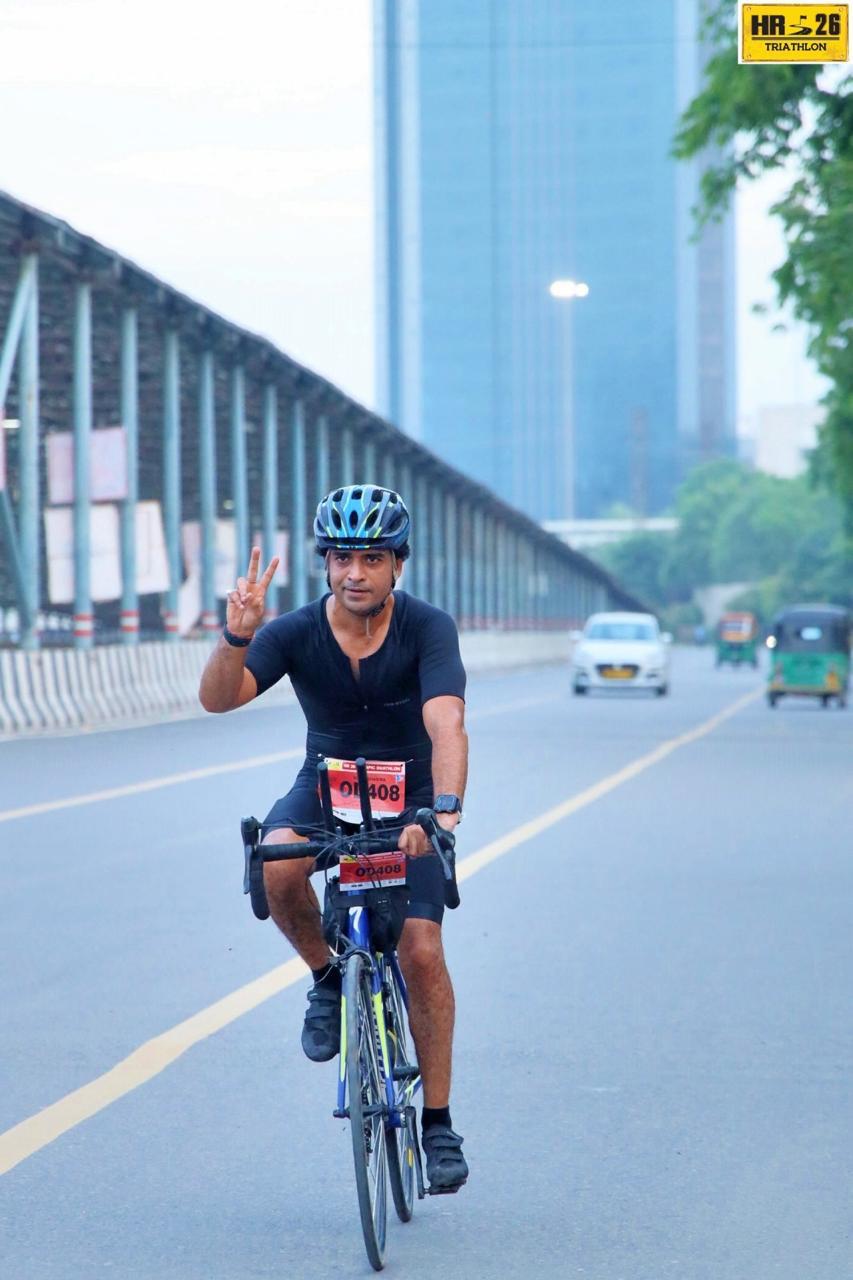
I signed up for a duathlon not fully knowing what I was getting into. Then I podiumed.
The HR26 was an Olympic distance duathlon in Delhi: run, bike, run. Not a triathlon. No swimming. Which was fortunate, because at that point I could not swim. I was there because some part of me said yes before the sensible part could object.
I finished on the podium in my age group. I did not expect that. That was the moment the sport stopped being something I was trying and started being something I was doing.
"I didn't know what I was capable of until a race told me. That's a strange way to find out. But it's the most honest way I know."
The podium gave me evidence. The gap between what I thought I could do and what I'd actually done was bigger than I'd assumed. I wanted to keep testing that.
The next step was learning to swim. Then everything changed.
I arrived at Ironman 70.3 Goa with a fever and a stomach infection.
I didn't know if I'd start. I spent the day before race day on medication, horizontal, wondering if the whole thing was a mistake. My body had chosen the worst possible moment to give up on me.
I started anyway.
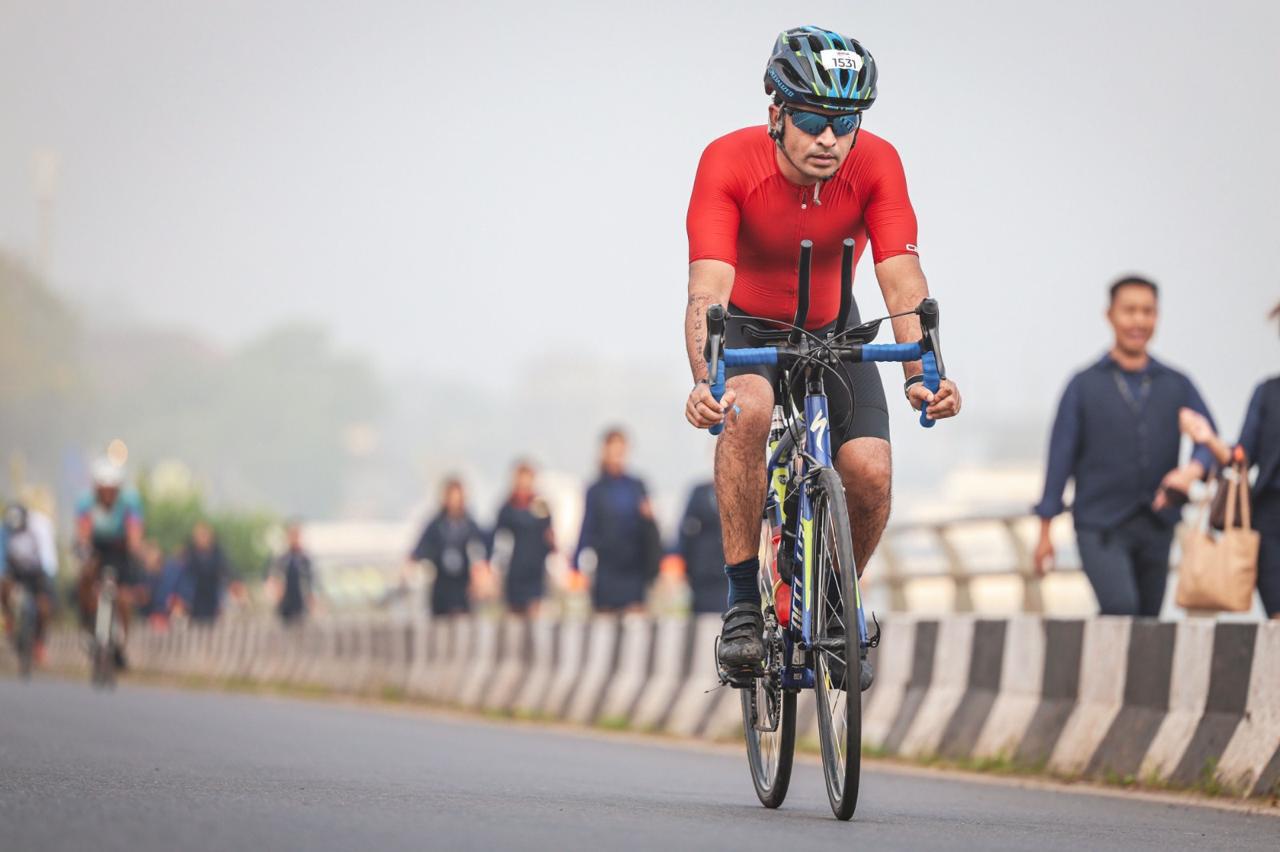
The swim was hard. The bike was harder. The run was a negotiation between what my body wanted to do (stop) and what I'd decided I was going to do (finish). The finish line at Goa is where I understood something I'd been trying to think my way into for years.
"You can do hard things. Not because you're built for it. Because you choose it. The body follows the decision, not the other way around."
Community got me to the start line. Stubbornness got me to the finish. Both of those turned out to be things I needed to know I had.
Running 42 km through Mumbai at 5am teaches you something different.
The Tata Mumbai Marathon happened in between the triathlons. A full marathon. 42.2 km through the city before most of it wakes up. No crowd, no performance. Just you and the road and how far you can actually go.
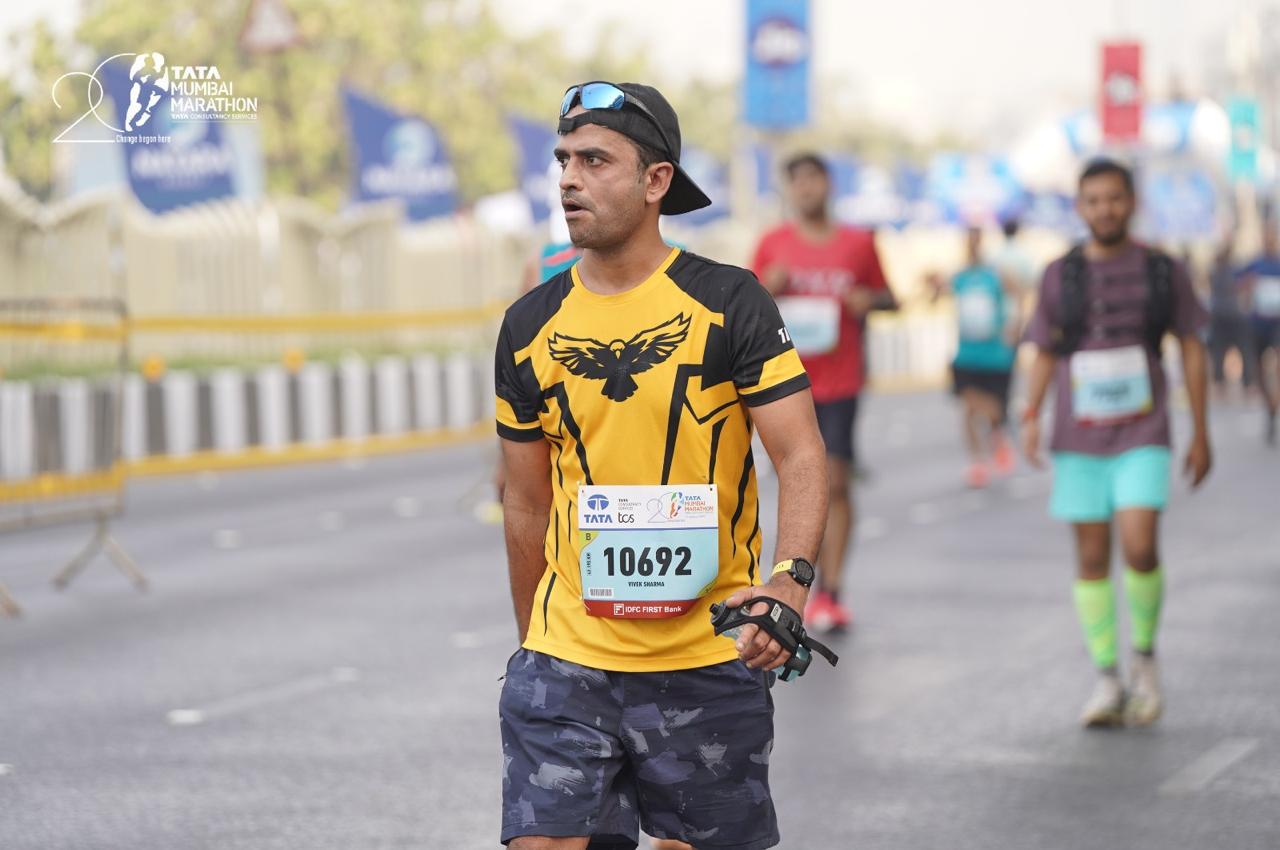
Each race was teaching me the same lesson in a different language. The lesson was always: you're more capable than the version of yourself you've been living as.
Ironman Western Australia. 3.8 km swim. 180 km bike. 42.2 km run.
I'd read every warning about the marathon at the end of an Ironman. Every account said the same thing: you think you know what you're in for, and then you get there and you don't. They were all correct.
After 3.8 km of swimming and 180 km of biking, your legs stop cooperating. The marathon at the end of an Ironman is not a run. It's a negotiation. Your body wants to stop. You decide whether it does.
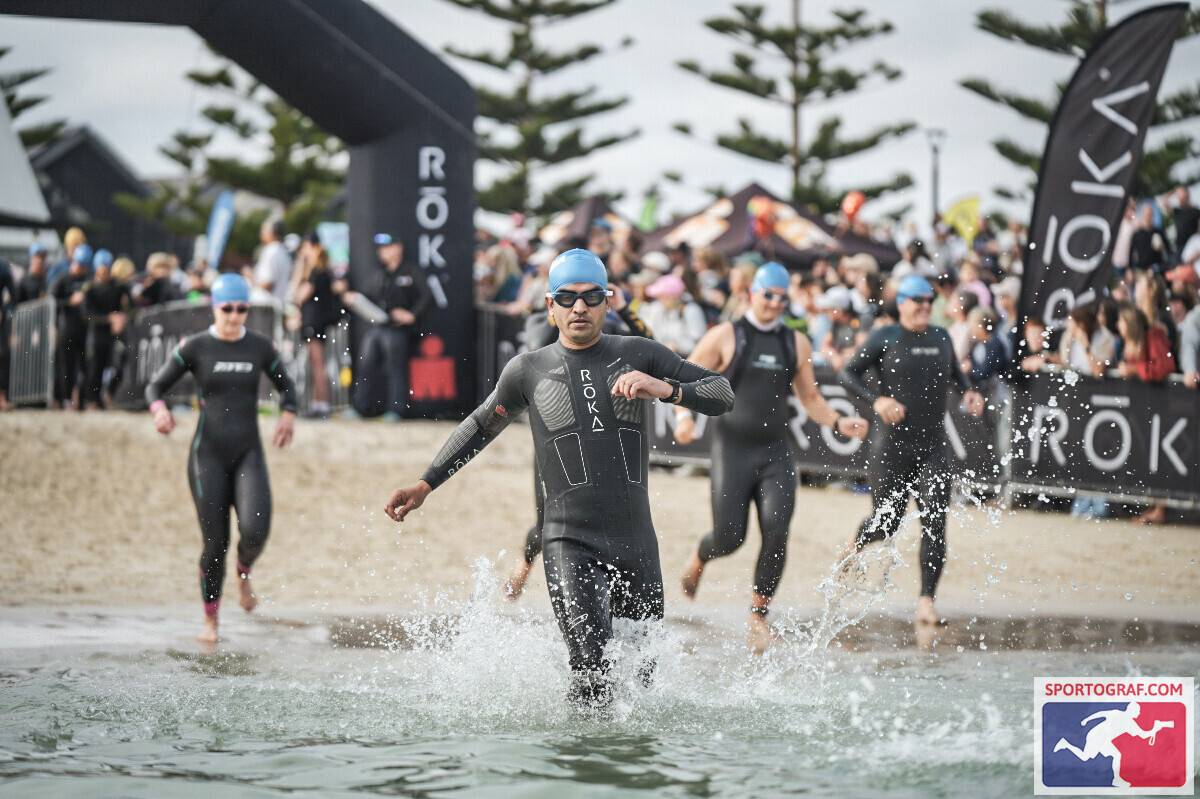
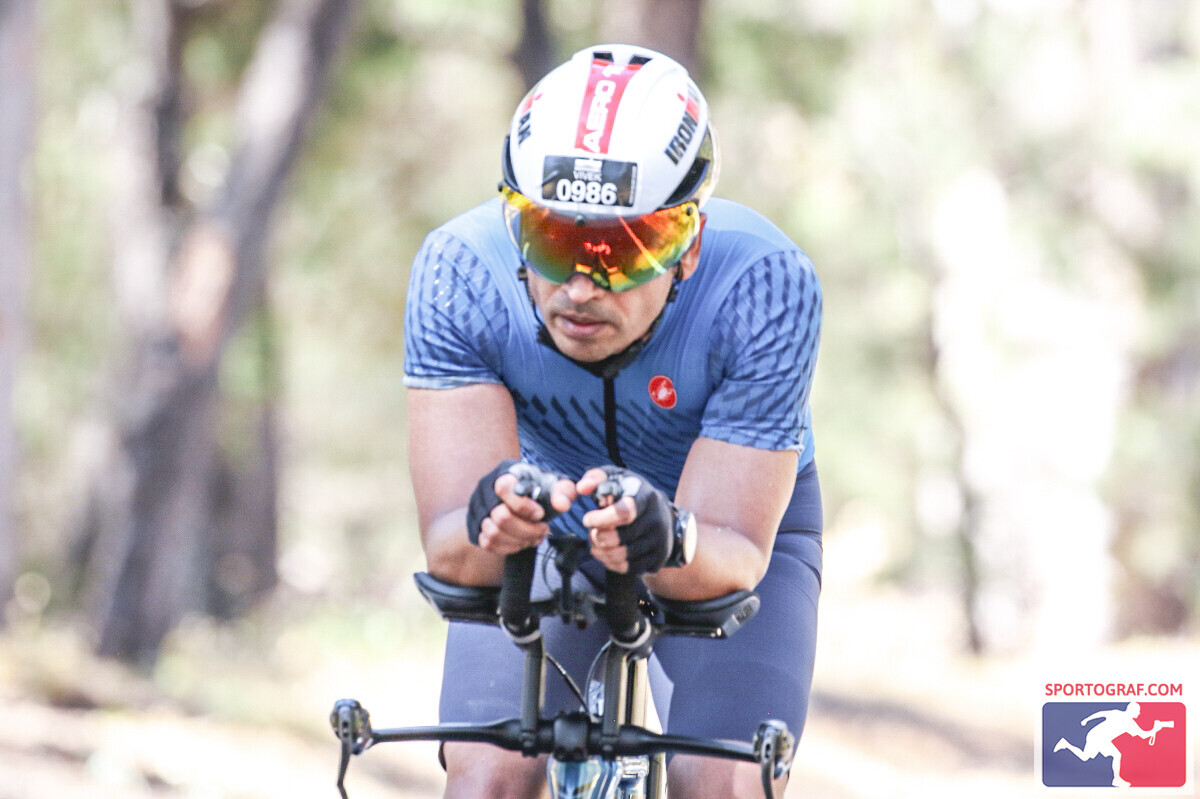
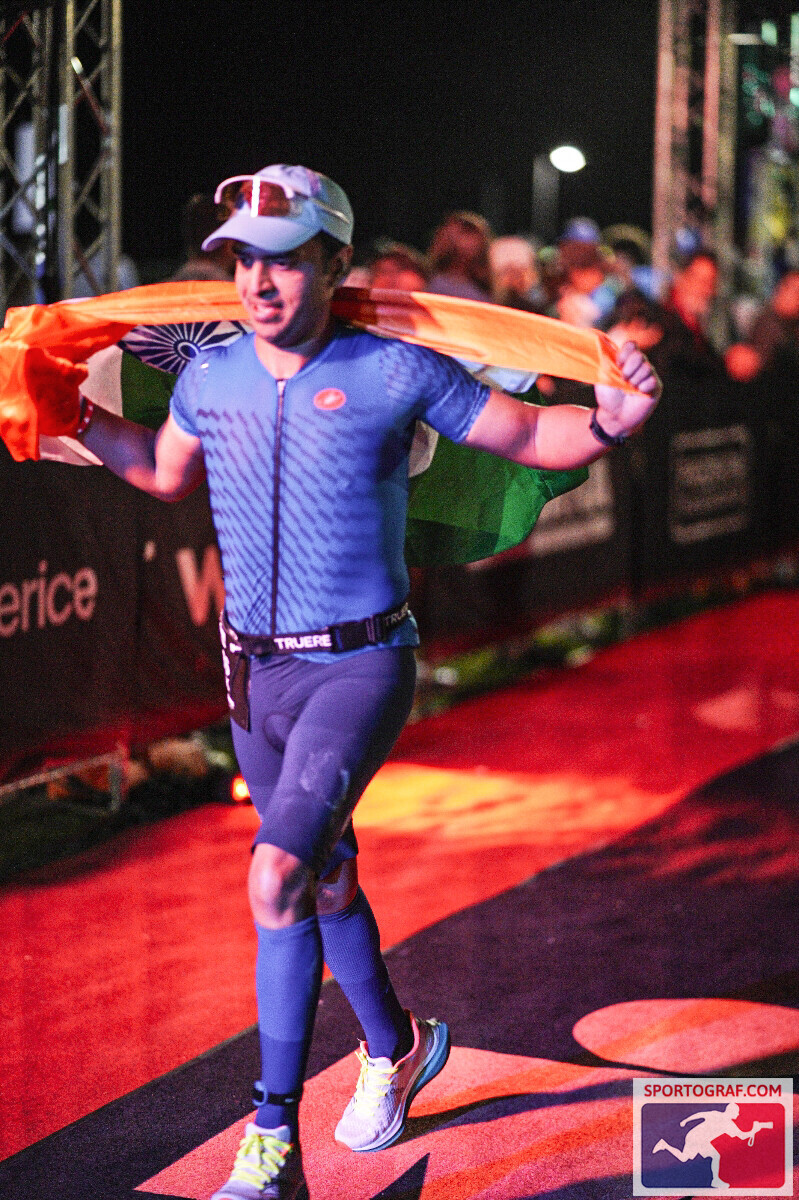
I crossed the finish line in Western Australia with the Indian flag. It was the hardest and the best day of my life. In that order, and at the same time. I still don't have better words for it than that.
"The miles don't just build your body. They build the version of you that knows, from evidence not hope, that you can finish hard things."
Ironman Tallinn. Five days after a fever. Nine and a half hours of rain.
I got sick five days before the race. Not a mild cold. A fever that hit 101°F. I wasn't sure I'd even fly to Estonia. The coach and I decided together: go, but race controlled. Four or five out of ten effort. Never breach six. A lesson in restraint, not a race to push.
Race morning: orange and yellow weather alerts. The start delayed 30 minutes for fog. The water cold enough to trigger a panic response almost immediately. My first real swim scare in any race. I used a kayak twice. Once to get my breathing back. Once to fix leaking goggles after a calf cramp hit mid-water.
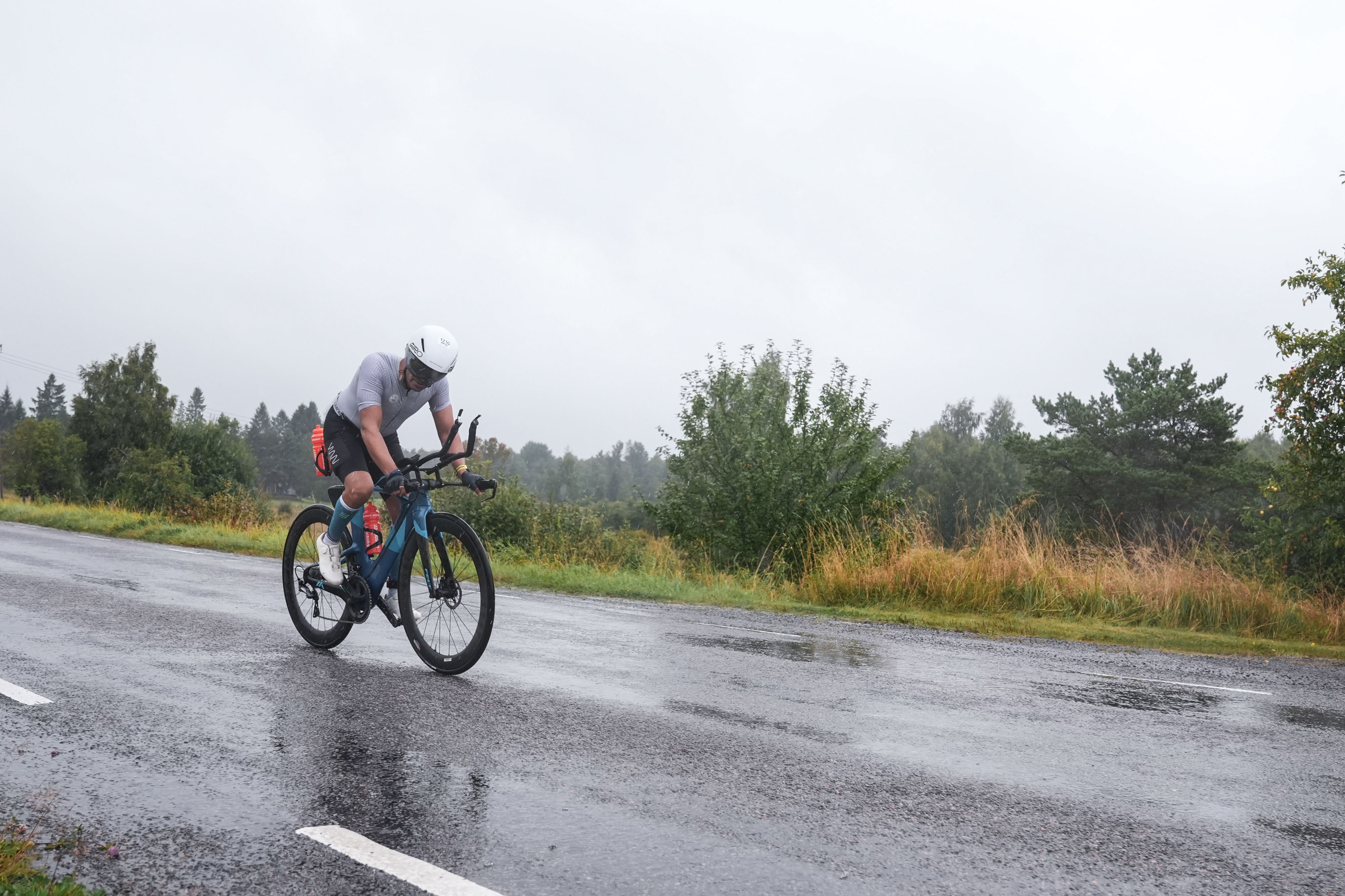
The bike crashed. A skid into a ditch in the rain. No injury, riding again within seconds, but the mental toll on top of everything else was real. The second loop broke me a little. I started questioning not just the race, but the Ultraman sign-up. Why am I doing any of this?
"Ironman is still Ironman. You can train your body physically for the distance and the fitness, but race day is race day. How you deal with the unseen and unpredicted things thrown at you is what these events are about."
The run didn't deliver what the training had promised. Nine months of preparation and the legs felt like they belonged to someone else. I held around 140 bpm and kept moving. Rain the whole way. Wind the whole way.
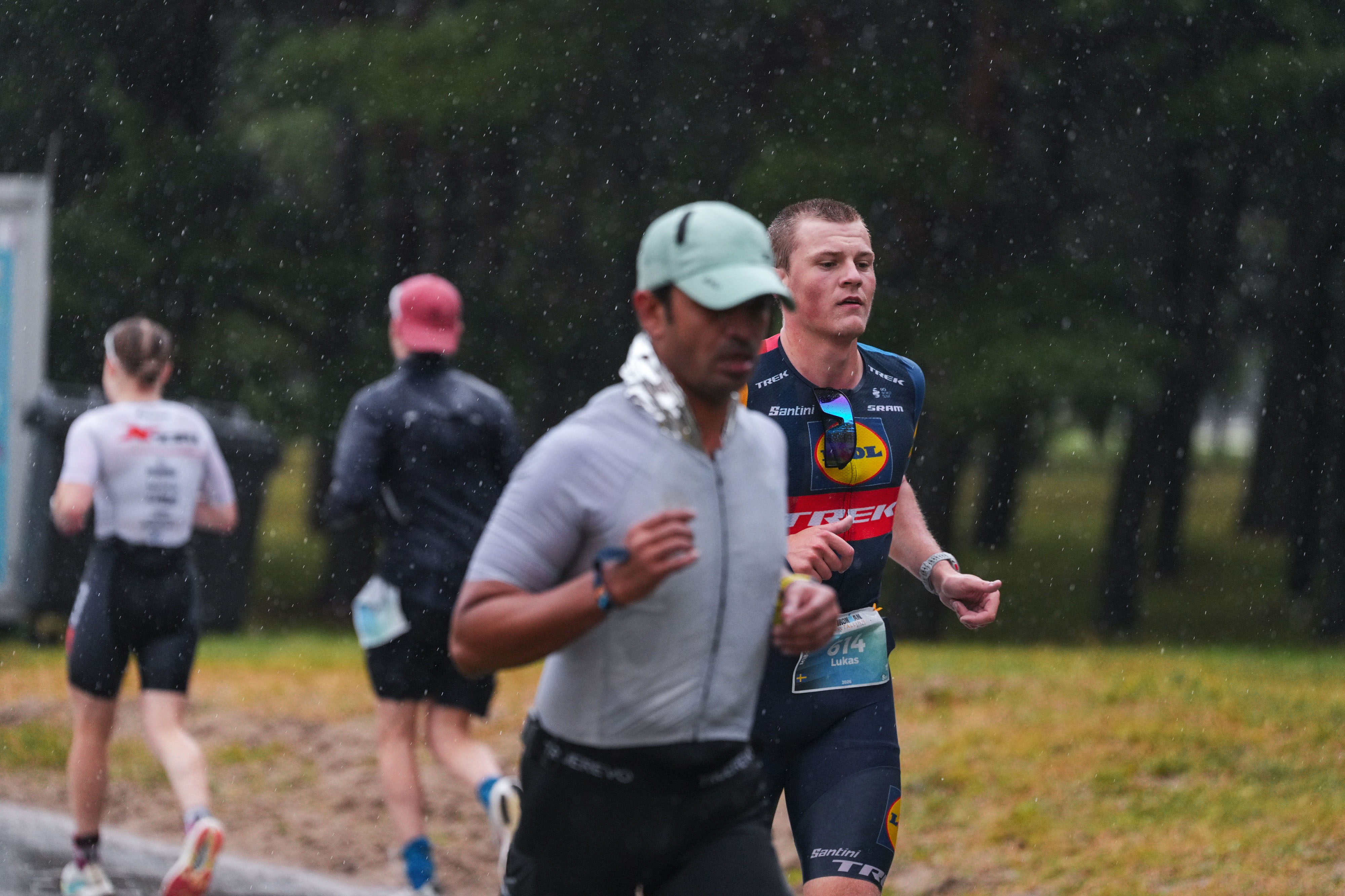
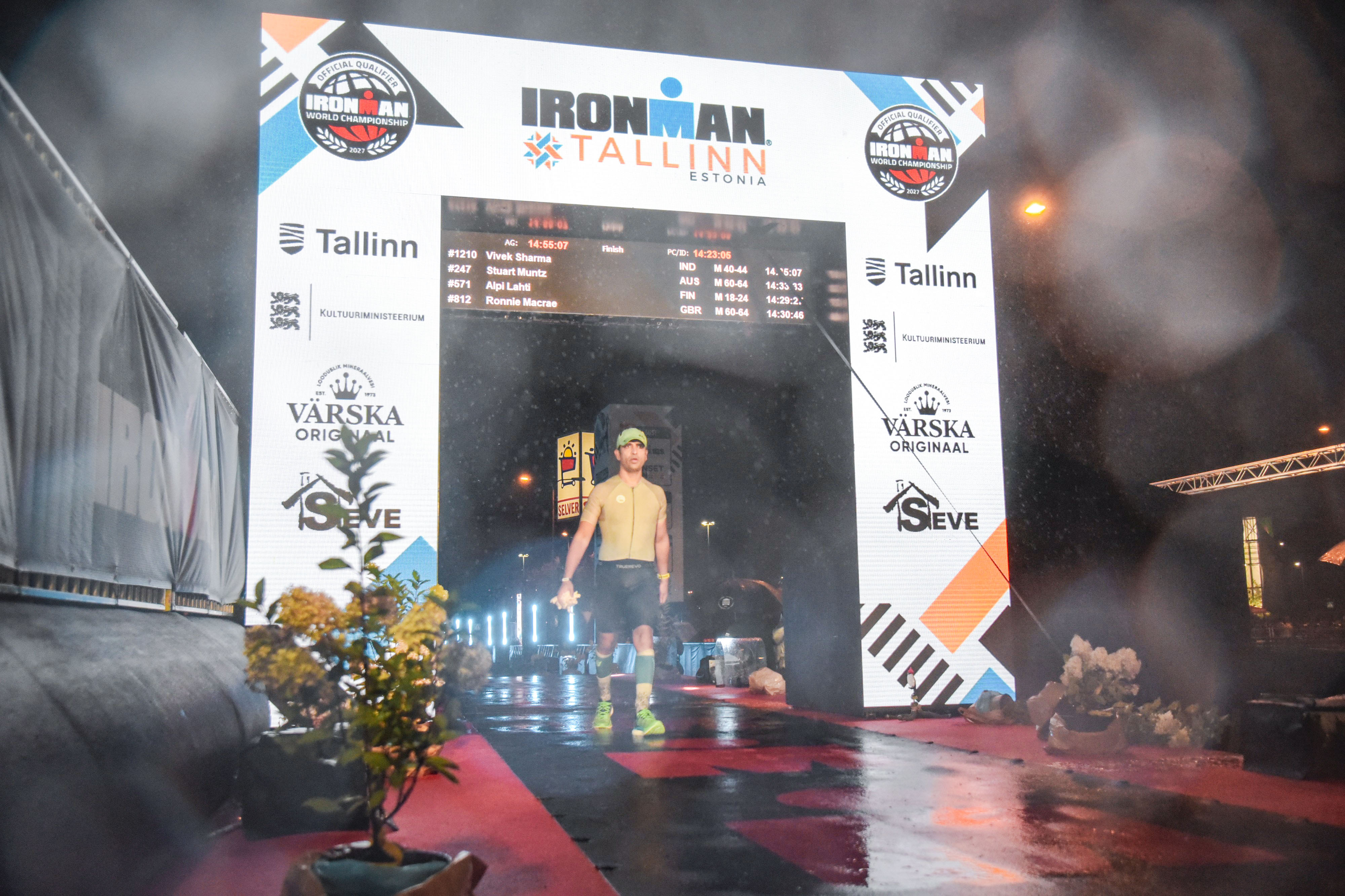
At the finish, the self-questioning that started on the bike was still there. It's the total reflection. Why am I even doing this? The race shook me. Not because I failed. Because it stripped everything back to the question underneath all of it.
The answer I came back to, a few days later, was the same one I came to after Goa, and after Western Australia. Because this is the thing that keeps showing me who I actually am, not who I assume I am. And I'm not done yet.
I got into Ultraman.
Ultraman is 515 km over three days. A 10 km open-water swim. 421 km on the bike. A double marathon to finish. It is not an Ironman with extra distance. It is an entirely different thing.
The application went in. The answer came back yes. Something shifted when I read that. Same way something shifted when I first signed up for that Delhi duathlon without knowing how to swim.
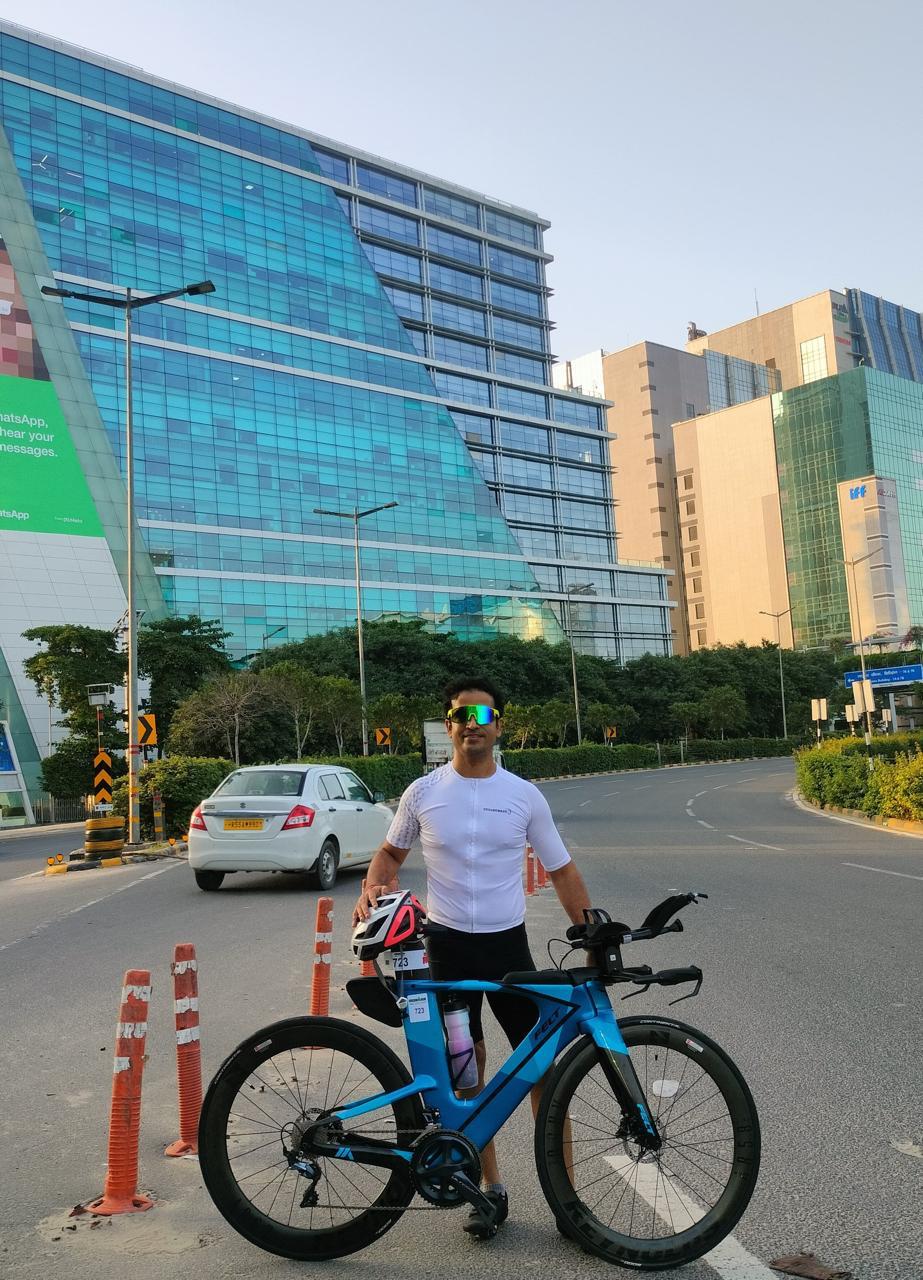
There will be a fundraise. For mental strength, and for making what endurance sport gave me accessible to more people who've never been told they're allowed to try something like this.
I'm not a coach. I'm not an elite. I'm a regular person from Delhi who found something that works, and I want to go as far as it will take me.
Follow the Ultraman journey →Follow the honest version.
No training plans. No supplements. No transformation content. Just the real account of what this does to a person. And why it's worth it.
Updates when something worth sharing happens. No noise.
✓ You're in. I'll be in touch when there's something real to say.
Or follow on Instagram for the chapter-by-chapter version:
@the.singing.triathlete